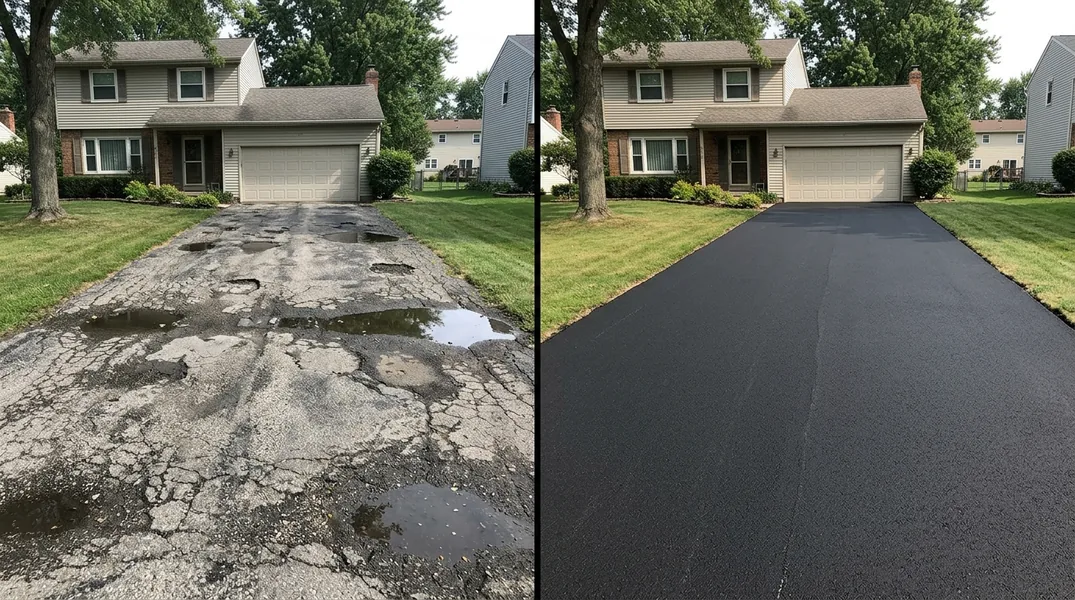
Understanding Driveway Cracks: What They Tell You
Your driveway is telling you a story through its cracks, and learning to read that story is the first step toward making a smart repair or replacement decision. Not all cracks are created equal, and the type of crack you're seeing often determines whether you need a quick fix or a more comprehensive solution.
Fine, hairline cracks that appear in a web-like pattern are typically caused by normal asphalt shrinkage as the material cures and settles. These surface-level cracks are cosmetic concerns in most cases, though they can allow water to seep into the layers below if left unaddressed. Linear cracks that run in a single direction, on the other hand, often indicate stress from heavy vehicle weight, ground movement, or inadequate base preparation during the original Asphalt Driveway Paving & Installation. Alligator cracks, which resemble the skin of an alligator with interconnected patterns, are a serious warning sign that your asphalt is failing structurally and typically requires professional intervention.
How Long for Asphalt to Cure: Why Timing Matters
One of the most common questions homeowners ask us at Toledo Asphalt Paving is about curing time. Understanding how long for asphalt to cure is essential, especially if you're planning to use your newly paved driveway. Fresh asphalt begins to harden within 24 to 48 hours under normal weather conditions, but this initial hardening is just the beginning of the curing process. The material continues to cure for several weeks, gradually becoming harder and more durable as the oils in the asphalt bind the aggregate together.
The weather plays a crucial role in determining actual curing time. Warm, sunny conditions accelerate the process, while cold, wet, or cloudy weather can extend it significantly. In Toledo, where we experience variable spring and fall conditions, curing times can vary. This is why we always provide specific guidance to our customers about their new driveway's timeline. Proper curing is essential for the long-term performance of your asphalt, so rushing the process or applying sealant too early can compromise the results.
How Long Before You Can Drive on New Asphalt: A Practical Timeline
After investing in a new asphalt driveway, the temptation to start using it immediately is understandable. However, understanding how long before you can drive on new asphalt will help you protect your investment and ensure maximum lifespan. Most asphalt is safe for light vehicle traffic after 24 to 48 hours, assuming temperatures are moderate and conditions are dry. This means you can park your car on the driveway and drive on it carefully, but you should avoid heavy vehicles, sharp turns, or sudden acceleration during this period.
Full curing, where the asphalt reaches its maximum strength and durability, typically takes 30 to 90 days depending on weather conditions and asphalt thickness. During this extended curing period, avoid parking in the same spot for extended periods, as the weight can create permanent indentations. Heavy trucks, RVs, and equipment should not be parked on newly paved asphalt for at least two to three weeks. If you have questions about your specific situation or timeline, our team at Toledo Asphalt Paving is always happy to provide detailed guidance for your new asphalt driveway care.
New Asphalt Driveway Care: Protecting Your Investment
Once your new asphalt is down and curing, proper maintenance becomes your responsibility as a homeowner. New asphalt driveway care begins immediately and sets the tone for how long your driveway will last. The most critical early-stage care is keeping the surface clean and dry. Avoid using salt or harsh chemicals on your driveway during the first few months of curing, as these can interfere with the binding process. Similarly, keep debris, leaves, and dirt cleared away to prevent moisture from becoming trapped beneath the surface.
As your driveway transitions from the curing phase into its operational life, regular inspections become important. Look for the early signs of cracking or deterioration, and address small issues before they become major problems. One of the most effective forms of new asphalt driveway care is applying a quality sealcoat once the asphalt has fully cured. This protective layer shields the asphalt from UV rays, water infiltration, and oxidation. Most professionals recommend waiting 90 days before applying sealcoat to newly installed asphalt, giving it time to fully cure and settle. After that initial application, regular resealing every two to three years will dramatically extend your driveway's lifespan and keep it looking fresh.
How Often to Seal Driveway: A Maintenance Schedule That Works
Sealing your driveway is one of the most cost-effective maintenance investments you can make, but understanding how often to seal driveway is key to getting maximum value from the service. The frequency of sealcoating depends on several factors, including your local climate, the amount of traffic your driveway receives, and the condition of the existing asphalt. In Toledo's climate, with its freeze-thaw cycles and variable precipitation, we typically recommend sealing every two to three years for residential driveways.
A well-maintained sealcoat acts as a barrier against water, UV rays, and chemical damage, all of which can significantly shorten your asphalt's life. If you notice that water is no longer beading on your asphalt surface, that's a clear sign that your sealcoat has worn away and it's time for a fresh application. Commercial driveways with heavy traffic may need more frequent sealing, sometimes annually, while light-use residential driveways might extend to every three years. The key is being proactive rather than reactive. Regular sealing prevents small cracks from becoming large ones and keeps your asphalt flexible and resilient. If you're unsure about your driveway's sealing schedule, our team can assess your specific situation and recommend a maintenance plan tailored to your needs.
Repair vs. Replace: Making the Right Decision for Your Toledo Driveway
The decision between Driveway Repair and replacement is one that many Toledo homeowners face, and there's no one-size-fits-all answer. Generally speaking, if your driveway is less than 15 years old and the damage is limited to a few cracks or small areas of deterioration, repair is usually the more economical choice. Solutions like Pothole Repair & Asphalt Patching can extend your driveway's life significantly when addressed early. However, if your driveway is showing widespread cracking, large potholes, or significant settling, you may be looking at a situation where repair is just temporary and replacement is the better long-term investment.
Another middle-ground option to consider is Asphalt Resurfacing & Overlay, which can be an excellent choice if your base is still sound but the surface has deteriorated. This option costs less than full replacement but provides better results than patching alone. To make the best decision for your situation, we recommend getting a professional assessment. Contact Toledo Asphalt Paving at (419) 574-4896 or request a free estimate to discuss your options. Our experienced team can evaluate your driveway's condition and recommend the most cost-effective solution for your specific needs and budget.
Looking for a professional asphalt paving contractor in Toledo? Toledo Asphalt Paving responds fast for all your asphalt paving needs.
Get a Free Quote